


Why Playtime Is Essential For Healthy Child Development
Play is how children learn to move, think, speak and get along with others. Here is why daily playtime matters and how to make room for it.
For children, play is not a break from learning — it is how they learn. When a toddler stacks blocks, a five-year-old plays shopkeeper or two siblings invent a game, they are building skills they will use for the rest of their lives.
What play builds
Physical skills. Running, climbing and catching build strength and balance. Threading beads, drawing and fitting puzzle pieces build the small hand muscles a child later needs to hold a pencil.
Thinking skills. Every game is a small problem to solve: which piece fits, how to make the tower stand, what happens if I try it another way. Children who play often get comfortable trying, failing and trying again.
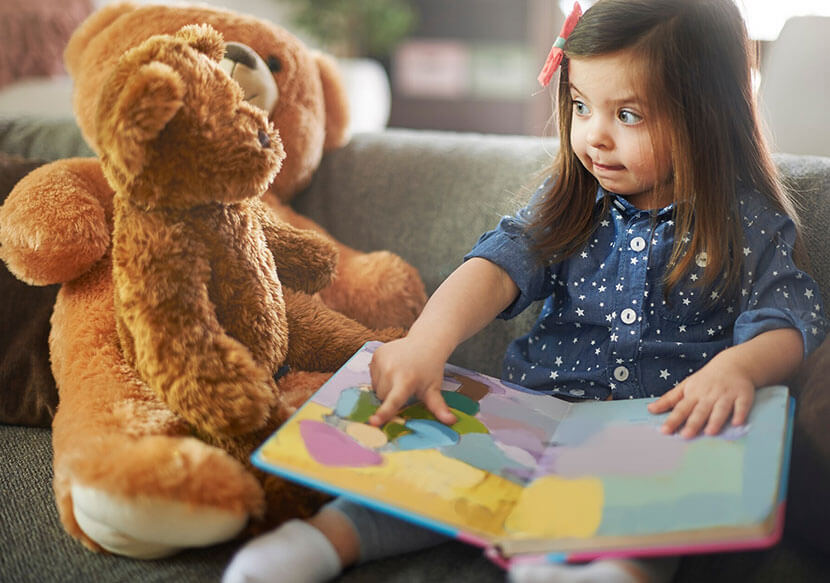
Language. Pretend play is full of talking — giving orders as the teacher, taking orders as the waiter, telling a story with toy animals. Children pick up new words and practise putting sentences together.
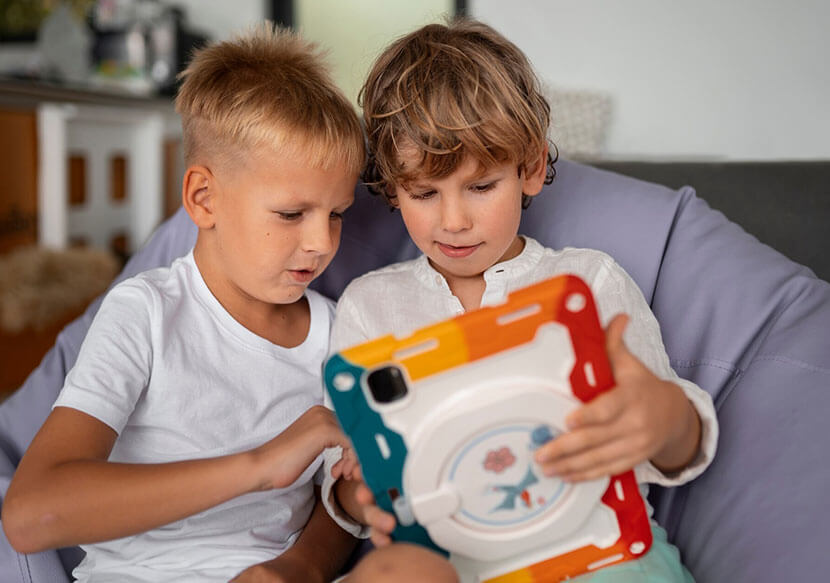
Social and emotional skills. Playing with others teaches taking turns, sharing, losing gracefully and sorting out arguments. Pretend play also lets children act out feelings they cannot yet put into words.
How much play do children need?
There is no exact number, but most experts agree that young children need several hours of active, hands-on play spread across the day — and that free play, where the child chooses what to do, is as valuable as structured activities.
Making time for play in a busy home
- Protect a daily play slot. Even 30 minutes after school without screens makes a difference.
- Keep toys within reach. A low shelf or basket invites children to start playing on their own.
- Rotate toys. Put half the toys away and swap them every couple of weeks so old favourites feel new again.
- Join in sometimes. Ten minutes of your full attention on the floor means more to a child than an hour of half-watching.
- Let them get bored. Boredom is often the moment before creativity starts.
Choosing toys that support play
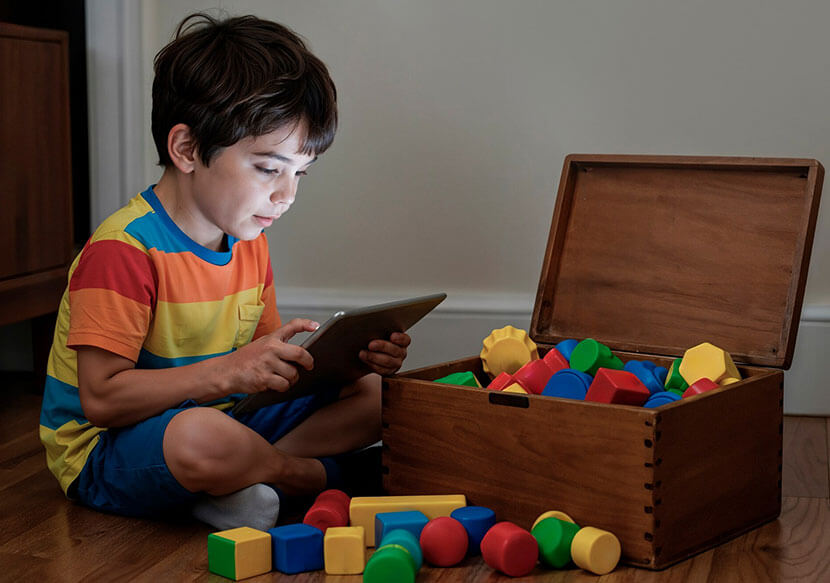
The best toys do less, so the child does more. Building blocks, puzzles, play dough, simple board games and pretend-play sets can be used in hundreds of ways and grow with your child. Our Educational Toys and Indoor Play ranges are chosen with exactly this in mind.
The bottom line
Play is one of the best investments you can make in your child's development, and it costs very little. Give them time, space and a few good toys — they will do the rest.